Have you ever wondered why sometimes moisture forms on your windows or your car windshield early in the morning? That’s dew point in action.
Understanding how to measure dew point is more important than you might think—it affects everything from your comfort at home to critical industrial processes. You’ll discover simple and effective ways to measure dew point, whether you’re a weather enthusiast, a homeowner, or a professional.
By the time you finish reading, you’ll know exactly how to track this key factor in humidity and temperature, helping you stay informed and prepared for whatever the day brings. Let’s get started!
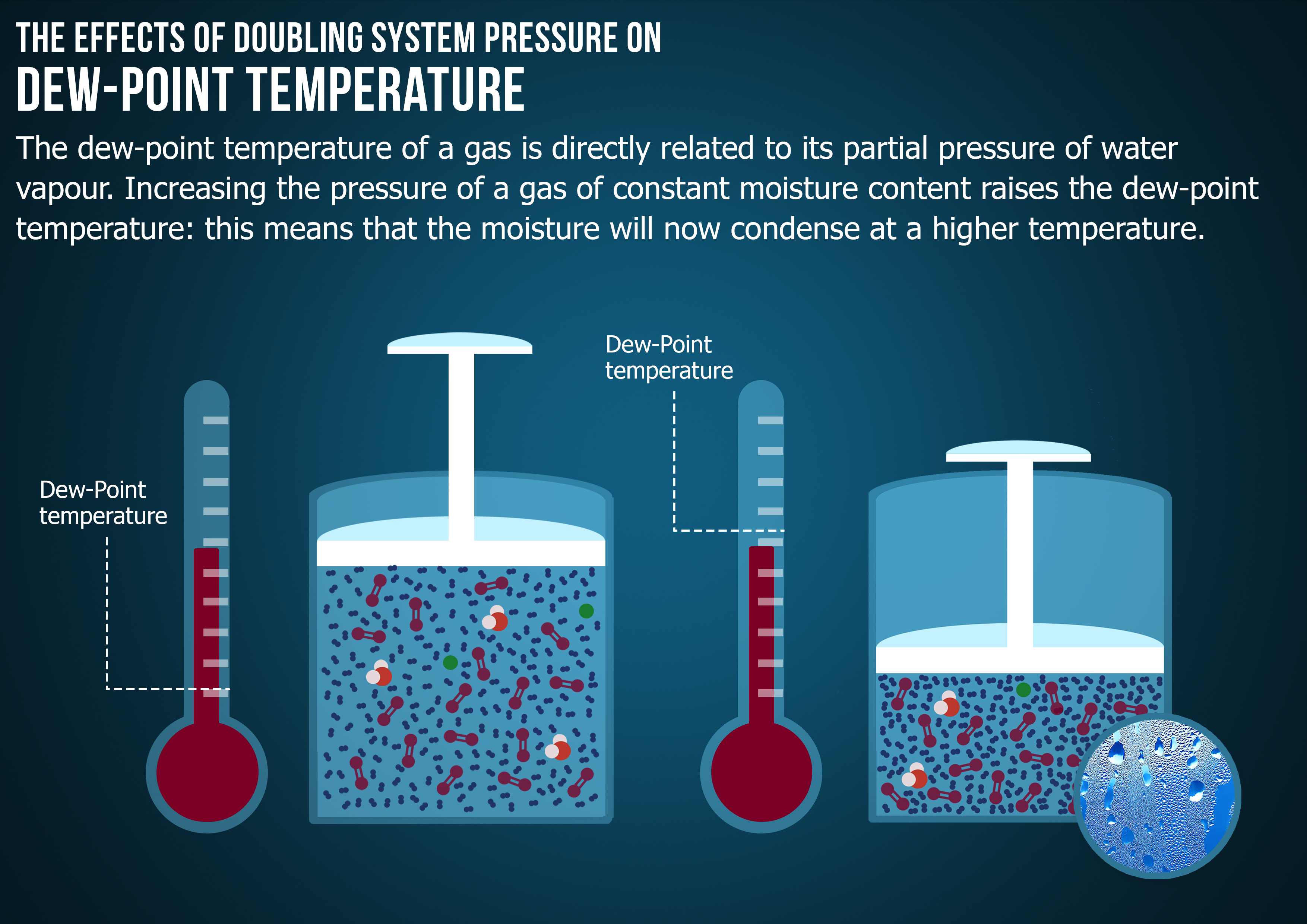
Credit: www.processsensing.com
Dew Point Basics
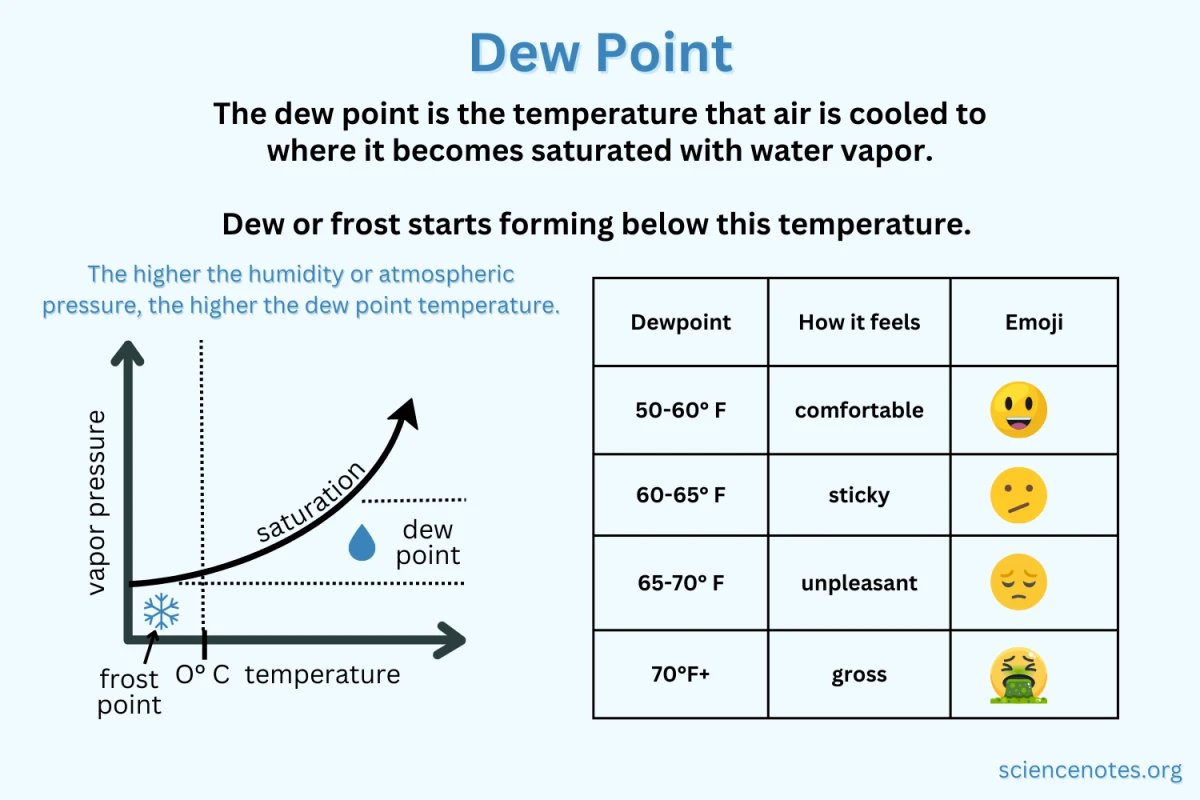
Dew point is a key concept in understanding weather and air moisture. It shows the temperature where air holds the maximum water vapor. When air cools to this temperature, moisture begins to condense into dew. Measuring dew point helps predict fog, frost, and comfort levels.
Knowing dew point basics makes measuring it easier and more useful. It reveals real moisture content in the air, which affects many daily activities and industries. This section breaks down what dew point means and why it matters.
What Dew Point Indicates
Dew point tells the temperature when air reaches full moisture capacity. At this point, water vapor turns into liquid. A higher dew point means more moisture in the air. A lower dew point shows dry air. It helps forecast weather changes like rain or frost.
Difference Between Dew Point And Humidity
Humidity measures how much moisture is in the air compared to the maximum it can hold. Dew point shows the actual temperature where condensation starts. Humidity changes with temperature, but dew point stays the same for a given moisture level. Dew point is a direct measure of moisture, making it more precise.
Why Dew Point Matters
Dew point affects comfort, safety, and many industries. It helps predict fog, frost, and mold growth. For HVAC systems, it guides humidity control. Farmers use it to protect crops from frost damage. Knowing dew point helps plan outdoor activities and maintain healthy indoor air.
Common Measurement Methods
Measuring dew point is essential for many fields like weather forecasting, HVAC, and industrial processes. Various tools and methods exist to find the dew point accurately. Each method has its own advantages and suits different needs. Understanding common measurement methods helps you choose the right one for your situation.
Chilled Mirror Hygrometer
The chilled mirror hygrometer is the most accurate tool for dew point measurement. It works by cooling a polished metal mirror. When condensation forms on the mirror, the temperature is recorded as the dew point. This method provides precise and reliable results. It is widely used in laboratories and industrial settings.
Sling Psychrometer
A sling psychrometer uses two thermometers: one wet bulb and one dry bulb. You spin the device to allow air to pass over the bulbs. The difference in temperatures helps calculate the dew point. This method is simple and does not require electricity. It is common in fieldwork and education.
Digital Hygrometers And Sensors
Digital hygrometers use sensors to measure humidity and temperature electronically. They calculate the dew point based on these readings. These devices are easy to use and provide quick results. They are suitable for home, office, and industrial environments. Calibration is important for accurate data.
Diy Ice-water Method
The DIY ice-water method is a simple way to estimate dew point at home. Fill a glass with ice and water, then slowly warm the glass. Watch for the temperature at which water starts to form on the outside. This temperature is close to the dew point. It is a basic method but less precise than instruments.
Calculating Dew Point
Calculating dew point helps understand moisture levels in the air. It shows the temperature at which air becomes fully saturated. At this point, water vapor turns into liquid, causing dew or fog. Knowing how to calculate dew point can aid in weather forecasting, HVAC systems, and industrial processes.
There are several ways to find the dew point. Using temperature and relative humidity is the most common. Formulas and online tools also simplify the process for quick results.
Using Temperature And Relative Humidity
Temperature and relative humidity are key factors in dew point calculation. Relative humidity shows how much moisture is in the air compared to the maximum it can hold. As humidity rises, the dew point moves closer to the current temperature.
By measuring air temperature and relative humidity, you can estimate the dew point. Usually, a thermometer and hygrometer are used. This method provides a practical way to find dew point in everyday conditions.
Popular Formulas
Several formulas estimate dew point from temperature and humidity. The Magnus formula is widely used for its accuracy and simplicity. It calculates dew point based on saturation vapor pressure.
Another common formula is the simplified version:
Dew Point = Temperature – ((100 – Relative Humidity) / 5)
This works well for quick estimates when precise accuracy is not critical. Using these formulas helps convert basic weather data into meaningful dew point values.
Online Calculators And Tools
Online calculators make dew point measurement easy and fast. You enter temperature and relative humidity values. The tool instantly shows the dew point result.
Many weather websites and apps offer these calculators. They save time and reduce errors in manual calculations. These tools are helpful for students, hobbyists, and professionals alike.

Credit: sciencenotes.org
Choosing The Right Instrument
Choosing the right instrument to measure dew point is critical. The accuracy, application, and budget all influence the choice. Picking the proper tool ensures reliable results and efficient monitoring. This section guides you through key factors to consider.
Accuracy Requirements
Accuracy depends on the purpose of measurement. Industrial uses need highly precise instruments. Scientific research demands exact readings to avoid errors. For basic weather tracking, less accuracy may suffice. Assess how close measurements must be to the true dew point. This helps determine the suitable instrument.
Application-specific Needs
Different settings require different tools. For example, HVAC systems benefit from portable, easy-to-use devices. Compressed air systems need instruments resistant to contaminants. Outdoor weather stations require rugged, weatherproof sensors. Consider the environment and conditions where the instrument will operate. Choose a device designed for that specific application.
Cost And Maintenance Considerations
Instruments vary widely in price. High-accuracy tools often cost more upfront. Some require regular calibration and maintenance. Lower-cost devices may have shorter lifespans or less precision. Balance initial cost with ongoing expenses. Select an instrument that fits your budget and maintenance capabilities.
Dew Point In Different Industries
The dew point plays a vital role across many industries. It helps control moisture levels and prevent damage. Measuring dew point accurately ensures safety and efficiency. Each industry uses dew point data in unique ways. Understanding these differences shows why precise measurement matters.
Hvac And Building Comfort
In HVAC, dew point controls indoor air quality. It prevents excess moisture and mold growth. Proper dew point keeps buildings comfortable and healthy. Systems adjust heating and cooling based on dew point data. This saves energy and improves air circulation.
Compressed Air Systems
Compressed air needs dry conditions to work well. Dew point measurement stops water from damaging tools and pipes. It helps maintain air purity for sensitive equipment. Monitoring dew point prevents costly repairs and downtime. Industries rely on this to keep systems safe.
Meteorology And Weather Forecasting
Meteorologists use dew point to predict weather changes. It shows humidity and the chance of rain or fog. Dew point helps forecast cold or hot days accurately. Weather reports use this data to warn the public. It plays a key role in climate studies.
Manufacturing And Process Control
Manufacturers monitor dew point to protect products and machinery. Moisture can ruin materials like electronics or pharmaceuticals. Controlling dew point ensures quality and safety during production. It helps maintain proper conditions in factories. Accurate measurement reduces waste and errors.
Tips For Accurate Measurement
Accurate dew point measurement requires attention to detail. Small errors can lead to incorrect readings. Use these tips to ensure precise and reliable results.
Proper Calibration
Calibrate your dew point meter regularly. Use a standard reference to check accuracy. Calibration prevents drift in sensor readings over time. Follow the manufacturer’s instructions carefully. A well-calibrated device ensures consistent measurements.
Environmental Factors To Consider
Measure dew point in stable conditions. Avoid areas with sudden temperature changes or drafts. Keep sensors away from direct sunlight or heat sources. High dust or moisture levels can affect results. Choose a location that represents the average environment.
Regular Maintenance And Cleaning
Clean the sensor and mirror frequently. Dust and dirt can block condensation and distort readings. Use a soft cloth and gentle cleaner. Inspect the device for damage or wear often. Proper maintenance extends the sensor’s lifespan and accuracy.
Interpreting Dew Point Results
Interpreting dew point results helps understand moisture conditions in the air. It guides you in predicting condensation and managing environmental risks. Correct interpretation prevents damage and improves operational efficiency. Below are key aspects of interpreting dew point data for practical use.
Identifying Condensation Risks
Dew point shows the temperature when air reaches full moisture saturation. If the surface temperature falls below the dew point, condensation forms. This can cause dampness, mold, and corrosion. Monitoring dew point helps spot areas prone to condensation. Early detection allows you to prevent moisture problems.
Impact On Equipment And Materials
High dew points increase moisture exposure to equipment and materials. This can lead to rust, electrical failures, and material degradation. Sensitive equipment may malfunction or break down faster. Keeping dew point within safe limits protects assets and extends lifespan. Understanding dew point trends helps maintain reliable operations.
Using Dew Point Data For Decision Making
Dew point data supports smart decisions about heating, ventilation, and air conditioning. It informs when to use dehumidifiers or adjust airflow. In industrial settings, it guides process controls and quality checks. Accurate dew point readings improve safety and comfort. Use this data to plan maintenance and reduce downtime.
Credit: www.codasensor.com
Frequently Asked Questions
How Do You Check Dew Point?
Check dew point using a hygrometer, chilled mirror device, or calculate it with temperature and relative humidity data.
What Does A Dewpoint Of 70 Mean?
A dewpoint of 70°F means the air contains high moisture. Water vapor will condense at 70°F, indicating very humid conditions.
What Is The Dew Point Of 75 F 35%?
The dew point of 75°F at 35% relative humidity is approximately 45°F. It indicates when air becomes saturated and condensation starts.
What Is The Dew Point Of 7 Degrees Celsius?
The dew point at 7 degrees Celsius means air cools to 7°C before water vapor condenses. It indicates humidity level.
Conclusion
Measuring dew point helps predict moisture in the air accurately. Use tools like a chilled mirror hygrometer or digital sensors. Simple methods like a sling psychrometer also work well. Knowing dew point supports better weather forecasts and equipment care. Regular checks prevent damage from condensation and mold.
Keep measurements clear and consistent for best results. Understanding dew point is useful for many daily tasks. Stay aware of humidity changes to protect your environment.