Have you ever wondered how experts figure out just how fast the wind is blowing? Whether you’re curious about the weather, planning outdoor activities, or working on a project that depends on wind conditions, knowing how to measure wind speed can be incredibly useful.
You don’t need fancy equipment or advanced skills to get started. You’ll discover simple and effective ways to measure wind speed, from basic tools you can make yourself to high-tech devices professionals use. By the end, you’ll have the confidence to track wind speed like a pro and understand what those numbers really mean for your day-to-day plans.
Keep reading to unlock the secrets behind measuring wind speed and take control of your weather knowledge!
Common Wind Speed Tools
Measuring wind speed accurately requires reliable tools. These devices capture how fast air moves in a specific area. Many tools exist, suited for different needs and skill levels. Some are simple and manual, while others use advanced technology. Understanding these common wind speed tools helps you choose the right one for your purpose.
Cup Anemometers
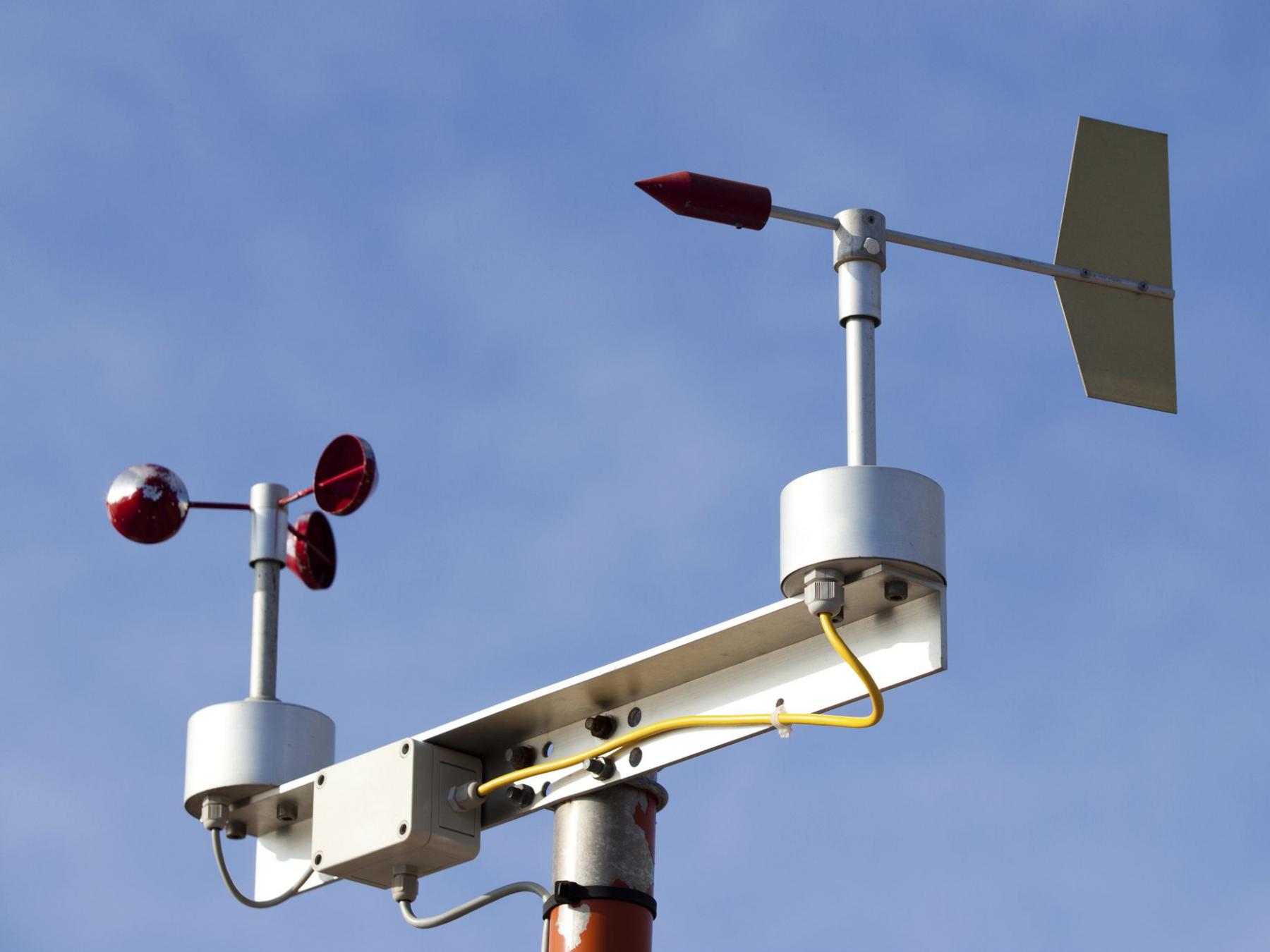
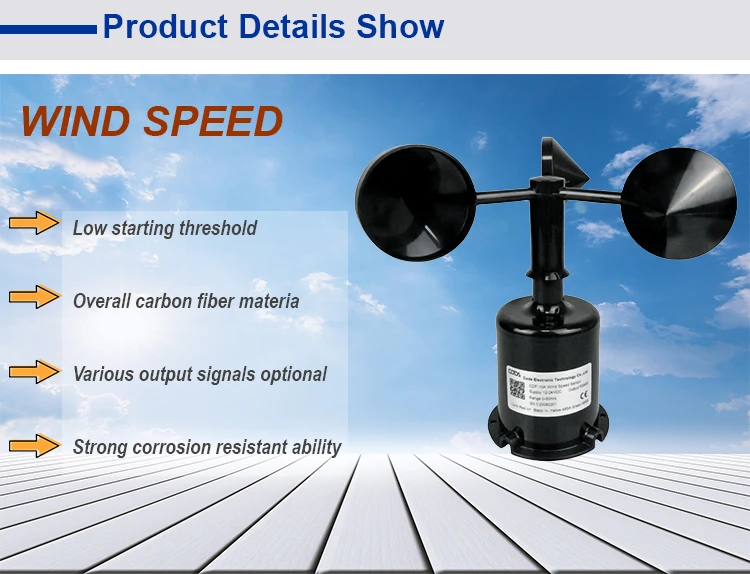
Cup anemometers have three or four cups attached to a vertical shaft. Wind pushes the cups, making them spin. The rotation speed shows how strong the wind blows. These tools are popular for weather stations. They are easy to use and give consistent results.
Vane And Propeller Anemometers
Vane anemometers use a propeller and a tail. The tail points the device into the wind. The propeller spins faster with stronger winds. This tool measures both wind speed and direction. It is useful for outdoor activities and scientific research.
Electronic And Sonic Anemometers
Electronic anemometers use sensors to detect wind speed. Some send sound waves between sensors and measure how fast they travel. Sonic anemometers have no moving parts and react quickly. These tools offer high accuracy and are common in professional weather monitoring.
Handheld Wind Meters
Handheld wind meters are portable and easy to carry. They often use electronic sensors or small propellers. These meters show wind speed on a digital screen. They are perfect for hikers, sailors, and sports enthusiasts who need quick readings.
Visual Estimation With Beaufort Scale
The Beaufort Scale estimates wind speed based on visible effects. It uses numbers from 0 to 12 to describe wind strength. For example, calm air has no movement, while strong winds move large branches. This method is simple but less precise. It helps in areas without instruments.
Building A Simple Anemometer
Building a simple anemometer is a great way to measure wind speed at home or school. This device uses cups that spin when the wind blows. The faster the cups spin, the stronger the wind. It is easy to make with basic materials and simple steps. You can learn about wind and weather by creating your own tool.
Materials Needed
- Four small plastic cups
- One pencil with an eraser
- Two straight drinking straws
- One pushpin or thumbtack
- One paperclip
- Tape or glue
- Stopwatch or timer
Assembly Steps
- Cross the two straws to form a plus sign.
- Attach each plastic cup to the end of each straw with tape.
- Push the pencil through the center where the straws cross.
- Secure the straws to the pencil using the pushpin so they can spin freely.
- Bend the paperclip into a small stand and attach it to the pencil eraser.
- Make sure the cups are facing the same direction and balanced.
Testing And Calibration
Take the anemometer outside on a windy day. Hold the pencil so the cups can spin freely. Use the stopwatch to count how many times the cups spin in one minute. Record the number of rotations. Compare this number to a known wind speed chart to estimate wind speed. Adjust the cups if needed to make spinning smoother. Repeat testing several times for accuracy.
Using A Cup Anemometer
The cup anemometer is a simple tool to measure wind speed. It has three or four cups attached to horizontal arms. These arms spin around a vertical shaft when the wind blows. The faster the cups rotate, the stronger the wind.
This device is common in weather stations and research. It works well in many weather conditions. Learning to measure wind speed with a cup anemometer is easy and accurate.
Counting Rotations
Start by watching the cups spin. Count how many times they complete a full turn. Use a stopwatch to measure time, usually one minute. The number of rotations in that time shows wind strength. Keep the count steady for best results.
Calculating Wind Speed
Each rotation means the cups moved a certain distance. Multiply the rotations by the distance per turn. This calculation gives the total distance traveled by the cups. Divide this distance by time to find the speed. This speed matches the wind speed in the area.
Converting Units
Wind speed can be measured in miles per hour (mph), kilometers per hour (km/h), or meters per second (m/s). Convert the calculated speed to your preferred unit. Use simple formulas or online converters for accuracy. This step helps compare results with weather reports easily.
Smartphone Wind Speed Measurement
Smartphones offer an easy way to measure wind speed. They combine convenience with technology. Many devices pair with small tools or apps to give quick readings. This method suits casual users and outdoor enthusiasts. It requires minimal setup and no special skills.
Using a smartphone to measure wind speed can be surprisingly accurate. The key is choosing the right tools and understanding their limits. Below are practical options and tips for the best results.
Using Portable Wind Meters
Portable wind meters connect directly to smartphones. They often attach to the headphone jack or charging port. Some use Bluetooth to communicate wirelessly. These devices have small fans or sensors that detect airflow. The phone displays wind speed in real time. They are compact and easy to carry outdoors. Many models also measure temperature and wind direction.
Recommended Apps And Devices
Some apps use the phone’s built-in sensors but need external meters for accuracy. Popular apps include “Wind Meter” and “Anemometer.” They work best with compatible hardware. For devices, WeatherFlow WINDmeter and Vaavud are reliable choices. These products offer good balance between price and performance. Check user reviews before buying to ensure compatibility with your phone.
Accuracy Tips
Hold the phone or device steady and face it into the wind. Avoid obstructions like buildings or trees that block airflow. Calibrate your device regularly using known wind speeds or official weather reports. Keep the sensors clean and free from dust. Remember, smartphone measurements may not match professional weather stations exactly. Use them for general guidance, not precise data.
Wind Speed Units Explained
Understanding wind speed units helps you read weather data with ease. Different places use different units to express how fast the wind is blowing. Knowing these units makes it simple to compare wind speeds worldwide. Here is a clear explanation of the common wind speed units.
Meters Per Second (m/s)
Meters per second is the standard unit for wind speed in science. It measures how many meters the wind travels in one second. This unit is popular in weather forecasts and research. It gives a precise and easy way to track wind speed changes.
Miles Per Hour (mph)
Miles per hour is common in the United States and the UK. It tells how many miles the wind moves in one hour. Many weather apps and reports use mph to show wind strength. This unit helps people understand wind speed in familiar terms.
Knots And Nautical Miles
Knots measure wind speed mostly in aviation and marine fields. One knot equals one nautical mile per hour. A nautical mile is longer than a regular mile. Using knots helps pilots and sailors navigate with accurate wind data.
Kilometers Per Hour (km/h)
Kilometers per hour is common in many countries outside the US. It shows how many kilometers the wind covers in one hour. This unit is easy to understand for those who use the metric system. Many weather stations report wind speed in km/h.
Credit: windy.app
Factors Affecting Wind Speed Accuracy
Measuring wind speed accurately requires attention to several key factors. These factors can influence the readings and affect how reliable your data is. Understanding what affects wind speed accuracy helps improve measurement quality. It also guides proper setup and maintenance of instruments.
Environmental Influences
Wind speed varies with terrain and obstacles. Buildings, trees, and hills can block or channel wind. This causes turbulence and uneven flow. Weather conditions also play a role. Temperature changes and humidity may affect sensor response. Nearby heat sources can create false wind patterns. Measuring in open, flat areas reduces these effects.
Instrument Placement
Correct placement of wind sensors is essential. Sensors placed too close to surfaces or structures give poor data. Ideally, anemometers should be at standard heights, usually 10 meters above ground. They must be away from walls or tall objects. This avoids wind shadowing and eddies. Secure mounting prevents shaking that can distort readings.
Calibration Importance
Regular calibration keeps wind speed instruments accurate. Calibration compares the device against a known standard. Over time, wear and environmental exposure cause drift in measurements. Without calibration, errors increase and data quality drops. Follow manufacturer guidelines for calibration frequency and methods. Proper calibration ensures trust in the results.
Practical Tips For Accurate Measurement
Accurate wind speed measurement requires attention to detail and the right approach. Small mistakes can lead to wrong readings. Following practical tips helps ensure precise results. These tips focus on selecting tools, maintaining them, and understanding the data.
Choosing The Right Tool
Select an anemometer that fits your needs. Cup anemometers work well for general use. Vane anemometers provide wind direction and speed. Electronic anemometers offer fast, digital readings. Consider your environment and budget. Handheld devices suit casual users. Fixed weather stations fit long-term monitoring.
Regular Maintenance
Keep the device clean from dust and debris. Check moving parts for smooth rotation. Lubricate when necessary to avoid friction. Replace worn-out parts promptly. Calibrate your device regularly to maintain accuracy. Store equipment in a dry, safe place. Proper care extends tool life and improves data quality.
Interpreting Results Correctly
Read the wind speed in the correct units: mph, km/h, or m/s. Note the time and location of each reading. Understand that wind speed can vary quickly. Take multiple measurements for reliable data. Avoid obstacles like buildings or trees that block wind. Use averages to smooth sudden gusts. Correct interpretation ensures useful wind speed information.

Credit: www.youtube.com
Credit: www.codasensor.com
Frequently Asked Questions
How Do We Measure Wind Speed?
Wind speed measures how fast air moves. An anemometer counts rotations of cups or propellers per minute. Faster spins mean higher wind speed. Devices convert rotations into units like mph, km/h, or m/s. Electronic anemometers use sound waves for precise readings without moving parts.
Is 20 To 30 Mph Wind Strong?
A 20 to 30 mph wind is considered a strong breeze to near gale. It can move small branches and affect outdoor activities.
Can I Use My Phone To Measure Wind Speed?
You can measure wind speed using your phone only if paired with a portable wind meter device. Phones alone lack built-in sensors for accurate wind speed measurement. Portable anemometers connect via apps, providing precise readings. Without external tools, phones cannot reliably measure wind speed.
How Strong Is 10 Km/h Wind?
A 10 km/h wind is considered a light breeze. It gently moves leaves and small branches without causing damage.
Conclusion
Measuring wind speed helps in weather forecasting and safety planning. Use the right tool based on your needs and environment. Simple devices like cup anemometers provide reliable results. Digital meters offer quick and accurate readings. Remember, understanding wind speed improves outdoor activities and decision-making.
Practice measuring regularly to gain confidence and skill. Stay aware of changing weather for better preparedness.